
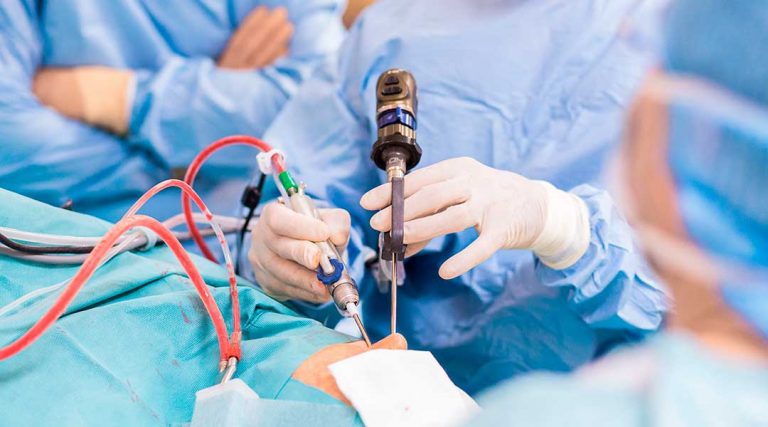
Dr. Amber Khan at GastroCares in Mountainside, NJ performs upper endoscopy (EGD) for patients throughout Union County and the surrounding New Jersey communities — including Westfield, Scotch Plains, Cranford, Summit, and Berkeley Heights.
What is an Upper Endoscopy?
An upper endoscopy, also called an esophagogastroduodenoscopy (EGD), is a procedure in which Dr. Khan uses a thin, flexible tube with a camera and light (an endoscope) to directly visualize the lining of your upper digestive tract. This includes the esophagus (the tube connecting your mouth to your stomach), the stomach itself, and the duodenum (the first portion of the small intestine).
Upper endoscopy provides a more detailed and accurate evaluation than imaging tests such as X-rays or CT scans. It allows Dr. Khan to identify inflammation, ulcers, tumors, bleeding sources, and structural abnormalities. When needed, biopsies (small tissue samples) can be collected during the procedure and sent for laboratory analysis.
Conditions Diagnosed and Treated
An upper endoscopy is a versatile tool used to diagnose and, in many cases, treat a wide range of upper gastrointestinal conditions:
- Gastroesophageal reflux disease (GERD): Chronic acid reflux can damage the esophageal lining over time. An EGD allows Dr. Khan to assess the severity of reflux-related damage, including erosive esophagitis, and determine the best treatment approach.
- Peptic ulcers: Open sores that develop on the lining of the stomach or duodenum can cause pain, bleeding, and other complications. Upper endoscopy can identify ulcers, determine their cause (such as H. pylori infection or NSAID use), and sometimes treat active bleeding.
- Barrett's esophagus: A condition in which the normal esophageal lining is replaced by tissue that resembles the intestinal lining, Barrett's is a known risk factor for esophageal cancer. Surveillance endoscopies are critical for monitoring patients with this condition.
- Celiac disease: When celiac disease is suspected based on blood tests and symptoms, an upper endoscopy with duodenal biopsies is the standard method for confirming the diagnosis. The biopsies reveal characteristic damage to the small intestinal villi.
- Dysphagia (difficulty swallowing): Strictures, rings, webs, or tumors in the esophagus can cause swallowing difficulties. An EGD can identify the cause and, in some cases, provide treatment such as dilation of a narrowed esophagus.
- Upper GI bleeding: An upper endoscopy can locate the source of bleeding and often provide treatment — such as cauterization, clipping, or injection therapy — during the same session.
- Unexplained nausea, vomiting, or abdominal pain: When symptoms persist despite initial treatments, an EGD can help identify underlying structural or mucosal causes.
Preparation for Your Upper Endoscopy
Preparing for an upper endoscopy is straightforward. The primary requirement is an empty stomach to ensure a clear and safe examination:
- Fasting: You must not eat or drink anything for at least 8 hours before the procedure. For morning procedures, this typically means nothing to eat or drink after midnight the night before.
- Medication review: Inform Dr. Khan of all medications you take, including prescription drugs, over-the-counter medications, and supplements. Blood thinners may need to be adjusted prior to the procedure. Diabetes medications may also require modification since you will be fasting.
- Transportation: Because sedation is administered during the procedure, you will need someone to drive you home. Plan to rest for the remainder of the day.
During the Procedure
Upon arrival at the endoscopy center, a nurse will prepare you by placing an IV line for sedation. A local anesthetic spray may also be applied to the back of your throat to minimize the gag reflex and improve comfort.
Once sedated, Dr. Khan will gently guide the endoscope through your mouth and into the upper digestive tract. The camera transmits high-resolution images to a monitor, allowing a thorough examination of the esophageal, gastric, and duodenal lining. If abnormal areas are identified, biopsies can be taken painlessly using small instruments passed through the endoscope.
The entire procedure typically takes between 15 and 30 minutes. Most patients have no recollection of the procedure due to the sedation.
After the Procedure
You will rest in a recovery area for approximately 30 to 45 minutes while the sedation wears off. It is common to experience a mild sore throat or a sensation of bloating, both of which typically resolve within a few hours.
Dr. Khan will share initial findings with you before you leave. If biopsies were taken, results are usually available within one to two weeks. Our office will contact you to discuss the pathology results and any recommended next steps.
You may resume eating and drinking once you feel comfortable swallowing, typically within an hour after the procedure. Start with soft, easy-to-digest foods and advance to your regular diet as tolerated.
When to Consider an Upper Endoscopy
You should discuss the possibility of an upper endoscopy with Dr. Khan if you are experiencing:
- Persistent heartburn or acid reflux that does not respond to medication
- Difficulty swallowing or pain when swallowing
- Unexplained or recurrent upper abdominal pain
- Chronic nausea or vomiting
- Signs of upper GI bleeding, such as vomiting blood or black, tarry stools
- Unexplained weight loss or appetite changes
- Suspected celiac disease based on symptoms and blood work
- Monitoring of a previously diagnosed condition such as Barrett's esophagus
Early evaluation and accurate diagnosis are key to effective treatment. If you have concerns about your upper digestive health, contact GastroCares to schedule a consultation.
Frequently Asked Questions
What is an upper endoscopy (EGD)?
An upper endoscopy uses a thin, flexible scope with a camera to examine the esophagus, stomach, and the first part of the small intestine, allowing Dr. Khan to diagnose and often treat upper-GI problems.
Why might I need an upper endoscopy?
It is commonly recommended for persistent heartburn, difficulty swallowing, upper abdominal pain, nausea, ulcers, or gastrointestinal bleeding.
Is an upper endoscopy painful?
The procedure is performed under sedation, so most patients feel nothing and have no memory of it. Most people recover within about an hour.
How do I prepare for an upper endoscopy?
You will be asked not to eat or drink for about six to eight hours beforehand so the stomach is empty. Detailed instructions are provided in advance.
Where can I have an upper endoscopy near me?
GastroCares is located at 200 Sheffield St, Suite 213, Mountainside, NJ 07092, serving Union County and New Jersey. Call (908) 522-1313.