
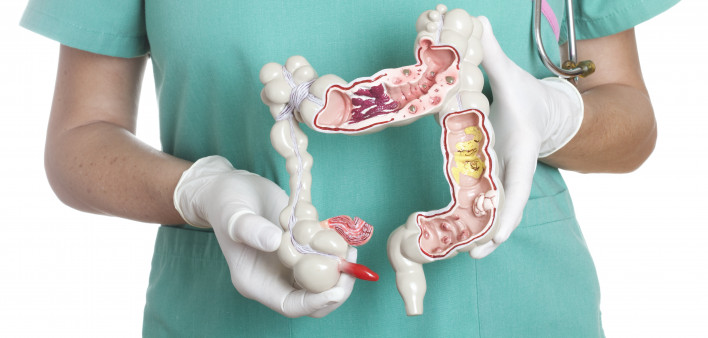
Dr. Amber Khan at GastroCares in Mountainside, NJ provides comprehensive colon cancer screening for patients throughout Union County and the surrounding New Jersey communities — including Westfield, Scotch Plains, Cranford, Summit, and Berkeley Heights.
The Importance of Colon Cancer Screening
Colorectal cancer is the third most commonly diagnosed cancer in the United States and the second leading cause of cancer-related death among men and women combined. Despite these statistics, colorectal cancer is one of the most preventable forms of cancer when detected early through routine screening.
The majority of colorectal cancers develop from precancerous polyps — small growths on the inner lining of the colon or rectum. These polyps often produce no symptoms and can take 10 to 15 years to develop into cancer. Screening allows physicians to find and remove these polyps before they become malignant, effectively preventing cancer from ever developing.
When colorectal cancer is found at an early, localized stage, the five-year survival rate exceeds 90%. However, when the disease is detected at a later stage after it has spread, survival rates drop significantly. This is why regular screening — even when you feel perfectly healthy — is so critically important.
Screening Guidelines
The American Cancer Society and the U.S. Preventive Services Task Force recommend that all adults at average risk for colorectal cancer begin screening at age 45. Screening should continue through age 75 for most individuals. For adults ages 76 to 85, the decision to screen should be based on individual health, life expectancy, and prior screening history.
You may need to begin screening before age 45 if you have any of the following risk factors:
- A first-degree relative (parent, sibling, or child) diagnosed with colorectal cancer or advanced adenomatous polyps, especially before age 60
- A personal history of colorectal polyps or colorectal cancer
- A personal history of inflammatory bowel disease (Crohn's disease or ulcerative colitis)
- A known hereditary colorectal cancer syndrome such as Lynch syndrome (HNPCC) or familial adenomatous polyposis (FAP)
- A history of radiation to the abdomen or pelvis for treatment of a prior cancer
If any of these risk factors apply to you, Dr. Khan will work with you to determine the appropriate age to begin screening and how frequently you should be tested.
Screening Methods
Several screening methods are available, and the best choice depends on your individual risk profile, health history, and preferences. Dr. Khan will help you determine which approach is right for you.
- Colonoscopy: The gold standard of colorectal cancer screening. A colonoscopy examines the entire colon and rectum and allows for the immediate removal of any polyps found. For average-risk individuals with normal findings, repeat colonoscopy is recommended every 10 years.
- Stool-based tests: These non-invasive tests detect blood or altered DNA in the stool that may indicate the presence of polyps or cancer. Common options include the fecal immunochemical test (FIT), performed annually, and the multi-target stool DNA test (such as Cologuard), performed every three years. A positive stool test requires a follow-up colonoscopy.
- Flexible sigmoidoscopy: This procedure examines only the lower portion of the colon (the sigmoid colon and rectum). It may be performed every five years, or every 10 years when combined with annual FIT testing.
- CT colonography (virtual colonoscopy): A specialized CT scan that produces detailed images of the colon. It is performed every five years and requires the same bowel preparation as a traditional colonoscopy. Any abnormal findings require a follow-up colonoscopy.
While all of these methods can be effective, colonoscopy remains the most comprehensive screening tool because it is both diagnostic and therapeutic — polyps can be removed during the same session.
What to Expect
If Dr. Khan recommends a colonoscopy as your screening method, you can expect the following process:
- Consultation: During your initial appointment, Dr. Khan will review your medical history, family history, and risk factors to determine the most appropriate screening plan.
- Preparation: You will receive detailed instructions for bowel preparation, which includes dietary modifications and a bowel-cleansing solution taken the day before the procedure.
- The procedure: The colonoscopy itself takes approximately 30 to 60 minutes and is performed under sedation so you remain comfortable.
- Results and follow-up: Dr. Khan will share preliminary findings the same day. If polyps are removed or biopsies are taken, pathology results are typically available within one to two weeks. Based on the findings, Dr. Khan will recommend an appropriate follow-up schedule.
Risk Factors for Colorectal Cancer
Understanding your personal risk factors is an important step in preventing colorectal cancer. While some risk factors cannot be changed, others are modifiable through lifestyle choices:
- Age: The risk of colorectal cancer increases with age, although cases in younger adults are rising.
- Family history: Having a close relative with colorectal cancer or polyps significantly increases your risk.
- Personal history: Previous polyps, colorectal cancer, or inflammatory bowel disease raise your risk.
- Diet: A diet high in red and processed meats and low in fruits, vegetables, and fiber may increase risk.
- Physical inactivity: A sedentary lifestyle is associated with higher colorectal cancer risk.
- Obesity: Being overweight or obese increases the risk of developing and dying from colorectal cancer.
- Smoking: Long-term smokers have an increased risk of colorectal cancer.
- Alcohol use: Heavy alcohol consumption (more than two drinks per day) is linked to increased risk.
- Type 2 diabetes: Individuals with type 2 diabetes have an elevated risk of colorectal cancer.
Early Detection Saves Lives
Colorectal cancer is highly preventable and highly treatable when caught early. Screening is the single most effective strategy for reducing your risk. Despite this, many eligible adults remain unscreened — often because they feel healthy and do not believe screening is necessary.
Colorectal cancer frequently develops without any symptoms in its early stages. By the time symptoms such as rectal bleeding, persistent changes in bowel habits, unexplained weight loss, or abdominal pain appear, the disease may have advanced to a stage that is more difficult to treat.
Do not wait for symptoms. If you are 45 or older — or younger with risk factors — contact GastroCares today to schedule your colon cancer screening. It is one of the most important steps you can take to protect your long-term health.
Frequently Asked Questions
At what age should colon cancer screening begin?
For adults at average risk, screening should begin at age 45. If you have a family history of colorectal cancer or polyps, inflammatory bowel disease, or certain genetic syndromes, Dr. Khan may recommend starting earlier.
What colon cancer screening options are available?
Options include colonoscopy — the gold standard, because it can both find and remove polyps — as well as stool-based tests such as FIT and Cologuard. Dr. Khan helps you choose the right approach.
Is colon cancer screening covered by insurance?
Most insurance plans cover screening at age-appropriate intervals at little to no out-of-pocket cost. Our office verifies your coverage before scheduling.
How often do I need to be screened?
After a normal colonoscopy, screening is generally repeated every 10 years. If polyps are found or you have risk factors, more frequent screening may be advised.
Where can I get colon cancer screening near me?
GastroCares is located at 200 Sheffield St, Suite 213, Mountainside, NJ 07092, serving Union County and New Jersey. Call (908) 522-1313 to schedule.