
Dr. Amber Khan at GastroCares in Mountainside, NJ performs flexible sigmoidoscopy for patients throughout Union County and the surrounding New Jersey communities — including Westfield, Scotch Plains, Cranford, Summit, and Berkeley Heights.
What is a Sigmoidoscopy?
A flexible sigmoidoscopy is a procedure that allows Dr. Khan to examine the inner lining of the lower portion of the large intestine, specifically the rectum and the sigmoid colon. The sigmoid colon is the S-shaped section of the colon that connects the descending colon to the rectum, and it is where a significant proportion of polyps and colorectal abnormalities are found.
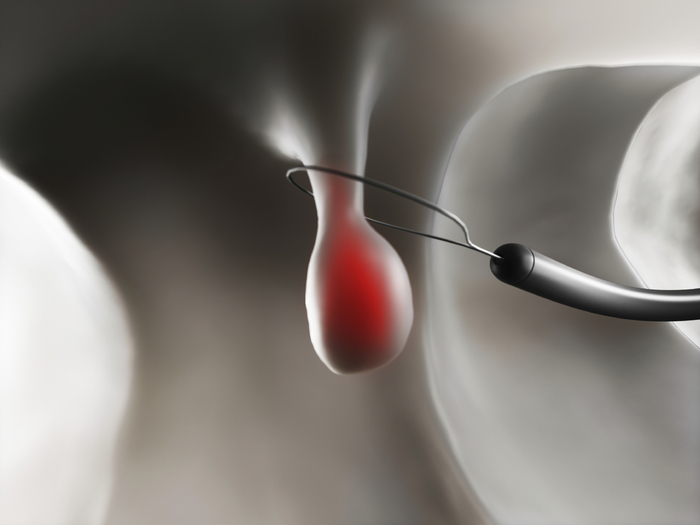
During the procedure, a thin, flexible tube equipped with a light and camera (a sigmoidoscope) is gently inserted through the rectum. The camera transmits images to a monitor, giving Dr. Khan a direct view of the intestinal lining. If polyps or abnormal tissue are found, they can often be removed or biopsied during the examination.
A sigmoidoscopy is a shorter, less invasive alternative to a full colonoscopy and is typically performed without sedation, although mild sedation can be provided if desired.
Sigmoidoscopy vs. Colonoscopy
While both procedures use similar instruments and techniques, there are important differences between a sigmoidoscopy and a colonoscopy:
- Area examined: A sigmoidoscopy examines only the rectum and sigmoid colon — approximately the last one-third of the large intestine. A colonoscopy examines the entire colon, from the rectum to the cecum (where the small intestine connects to the large intestine).
- Preparation: Sigmoidoscopy preparation is simpler, usually requiring only an enema or limited prep the morning of the procedure, rather than the full-day bowel preparation needed for a colonoscopy.
- Sedation: Most sigmoidoscopies are performed without sedation, meaning you can drive yourself home and resume normal activities immediately. Colonoscopies require sedation and a designated driver.
- Duration: A sigmoidoscopy typically takes 10 to 20 minutes, compared to 30 to 60 minutes for a colonoscopy.
- Screening scope: Because a sigmoidoscopy does not examine the entire colon, it may miss polyps or cancers in the ascending or transverse colon. For this reason, colonoscopy is generally preferred as a comprehensive screening tool, particularly for patients at higher risk.
Dr. Khan will discuss with you which procedure is most appropriate based on your symptoms, risk factors, and screening history.
When is a Sigmoidoscopy Recommended?
A sigmoidoscopy may be recommended in the following situations:
- Evaluation of lower GI symptoms: If you are experiencing rectal bleeding, changes in bowel habits (persistent diarrhea or constipation), lower abdominal pain, or unexplained mucus in the stool, a sigmoidoscopy can help identify the cause.
- Colorectal cancer screening: A flexible sigmoidoscopy can be used as a screening tool for colorectal cancer, typically recommended every five years. When combined with annual stool testing (FIT), it provides an effective alternative to colonoscopy for some average-risk patients.
- Monitoring known conditions: Patients with conditions affecting the lower colon, such as ulcerative proctitis or radiation proctitis, may undergo periodic sigmoidoscopies to monitor disease activity and treatment response.
- Follow-up evaluation: After treatment for conditions affecting the rectum or sigmoid colon, a sigmoidoscopy may be used to evaluate healing and detect any recurrence.
- When full colonoscopy is not feasible: In some cases where a patient cannot safely undergo a full colonoscopy due to medical considerations, a sigmoidoscopy may provide valuable diagnostic information about the lower colon.
Preparation
Preparing for a sigmoidoscopy is considerably simpler and less involved than preparation for a colonoscopy:
- Limited bowel prep: Typically, you will use one or two enemas at home on the morning of the procedure, approximately two hours before your appointment. In some cases, a limited oral prep solution may be prescribed instead. You do not need to follow a full-day clear liquid diet or complete a full bowel preparation.
- Dietary modifications: You may be advised to eat a light, low-residue meal the evening before the procedure and to avoid heavy or high-fiber foods.
- Medication review: As with any GI procedure, inform Dr. Khan about all medications you take, particularly blood thinners. Adjustments may be necessary if a biopsy or polyp removal is anticipated.
- Transportation: If you opt for sedation, you will need a driver. If the procedure is performed without sedation, you are free to drive yourself.
During and After the Procedure
During the procedure: You will lie on your left side on the examination table. Dr. Khan will gently insert the sigmoidoscope through the rectum and advance it through the sigmoid colon. A small amount of air may be introduced to expand the colon for better visibility. You may feel mild cramping or pressure, similar to the sensation of needing to have a bowel movement, but the procedure is generally well tolerated.
The examination typically takes between 10 and 20 minutes. If polyps are identified, they can usually be removed during the procedure. Tissue samples (biopsies) may also be taken for further analysis.
After the procedure: If no sedation was used, you can leave the office shortly after the procedure and return to your normal activities immediately. Mild bloating or cramping may occur as the air is expelled, but this resolves quickly.
Dr. Khan will discuss the findings with you before you leave. If biopsies were obtained, results are typically available within one to two weeks, and our office will contact you to review the results and any recommended follow-up.
If any polyps are found during a sigmoidoscopy, Dr. Khan will typically recommend a full colonoscopy to ensure the remainder of the colon is thoroughly examined.
Frequently Asked Questions
What is a flexible sigmoidoscopy?
It is an exam of the rectum and lower (sigmoid) colon using a short, flexible scope with a camera. It allows Dr. Khan to evaluate the lower portion of the large intestine.
How is a sigmoidoscopy different from a colonoscopy?
A sigmoidoscopy examines only the lower colon and rectum, while a colonoscopy examines the entire colon. Dr. Khan will advise which exam is appropriate for your symptoms.
Do I need sedation for a sigmoidoscopy?
A sigmoidoscopy is often performed with little or no sedation, and the bowel preparation is simpler than for a full colonoscopy.
What symptoms might require a sigmoidoscopy?
It may be recommended for rectal bleeding, lower abdominal pain, or changes in bowel habits affecting the lower colon.
Where can I have a sigmoidoscopy near me?
GastroCares is located at 200 Sheffield St, Suite 213, Mountainside, NJ 07092, serving Union County and New Jersey. Call (908) 522-1313.