
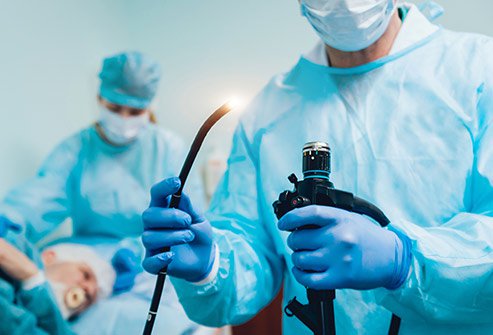
At GastroCares in Mountainside, NJ, board-certified gastroenterologist Dr. Amber Khan performs colonoscopies for patients throughout Union County and the surrounding New Jersey communities — including Westfield, Scotch Plains, Cranford, Summit, and Berkeley Heights. Whether you are due for a routine colon cancer screening or need evaluation of digestive symptoms, our team provides thorough, comfortable care close to home.
What is a Colonoscopy?
A colonoscopy is a procedure that allows Dr. Khan to examine the entire length of your large intestine (colon) and rectum using a thin, flexible tube equipped with a small camera called a colonoscope. The camera transmits real-time images to a monitor, giving the physician a detailed view of the intestinal lining.
This procedure is considered the gold standard for detecting colorectal cancer, precancerous polyps, and a wide range of other conditions affecting the lower gastrointestinal tract. It is both a diagnostic and therapeutic tool, meaning Dr. Khan can identify and often treat problems during the same session.
Why is a Colonoscopy Performed?
A colonoscopy may be recommended for a variety of reasons, including:
- Colorectal cancer screening: Colonoscopy is the most effective method for detecting colon and rectal cancer at its earliest, most treatable stages. During the exam, precancerous growths (polyps) can be identified and removed before they have a chance to develop into cancer.
- Polyp detection and removal: Colon polyps are common growths on the lining of the colon. While most polyps are benign, some types (adenomatous polyps) can become cancerous over time. Removing them during a colonoscopy significantly reduces your cancer risk.
- Symptom investigation: If you are experiencing unexplained abdominal pain, chronic diarrhea, rectal bleeding, persistent constipation, or unexplained weight loss, a colonoscopy can help identify the underlying cause.
- Inflammatory bowel disease (IBD) monitoring: Patients with Crohn's disease or ulcerative colitis may require periodic colonoscopies to assess disease activity, evaluate treatment effectiveness, and screen for dysplasia.
- Anemia evaluation: Unexplained iron-deficiency anemia may indicate slow bleeding in the colon, which a colonoscopy can detect.
Preparation for Your Colonoscopy
Proper preparation is essential for a successful colonoscopy. A clean colon allows Dr. Khan to see the intestinal lining clearly and detect any abnormalities. Your preparation will typically include:
- Dietary changes: You will be asked to follow a clear liquid diet for the full day before your procedure. Clear liquids include water, clear broth, black coffee or tea (without milk or cream), apple juice, and gelatin (avoiding red or purple colors).
- Bowel prep solution: You will receive a prescription for a bowel preparation solution that thoroughly cleanses the colon. This is typically consumed in split doses — one portion the evening before and the second portion early on the morning of the procedure, as directed by our office.
- Medication adjustments: Inform Dr. Khan about all medications you take, especially blood thinners (such as warfarin, aspirin, or clopidogrel), diabetes medications, and iron supplements. Some medications may need to be adjusted or temporarily stopped before the procedure.
- Arrange transportation: Because sedation is used during the procedure, you will need a responsible adult to drive you home afterward. You should not drive, operate heavy machinery, or make important decisions for the remainder of the day.
During the Procedure
On the day of your colonoscopy, you will arrive at the endoscopy center and be prepared for the procedure by the nursing staff. An intravenous (IV) line will be placed to administer sedation medication, which will help you relax and remain comfortable throughout the exam.
Once you are sedated, Dr. Khan will gently insert the colonoscope through the rectum and advance it slowly through the entire colon. The camera sends high-definition images to a monitor, allowing Dr. Khan to carefully examine every section of the colon wall. Air or carbon dioxide is gently introduced to slightly inflate the colon, providing a clearer view.
The procedure typically takes between 30 and 60 minutes. If polyps are found, they are usually removed painlessly during the examination using small instruments passed through the colonoscope. Tissue samples (biopsies) may also be taken for laboratory analysis if any areas appear abnormal.
After the Procedure
After the colonoscopy, you will be moved to a recovery area where you will be monitored as the sedation wears off. Most patients feel fully awake within 30 to 60 minutes. It is normal to experience mild bloating or gas as the air introduced during the procedure is expelled.
Dr. Khan will discuss preliminary findings with you before you leave. If biopsies or polyps were taken or removed, the tissue samples will be sent to a pathology lab, and results are typically available within one to two weeks. Our office will contact you to discuss the pathology results and any follow-up recommendations.
You can resume a normal diet after the procedure unless instructed otherwise. Most patients return to their normal activities the day following the colonoscopy.
When to Schedule a Colonoscopy
Current guidelines from the American Cancer Society recommend that adults at average risk for colorectal cancer begin regular screening at age 45. If your results are normal, follow-up colonoscopies are generally recommended every 10 years.
You may need to begin screening earlier or have more frequent colonoscopies if you have:
- A personal or family history of colorectal cancer or polyps
- A personal history of inflammatory bowel disease (Crohn's disease or ulcerative colitis)
- A known genetic syndrome such as familial adenomatous polyposis (FAP) or Lynch syndrome
- A history of abdominal or pelvic radiation for a prior cancer
If you are experiencing gastrointestinal symptoms at any age, do not wait for a routine screening — contact our office to discuss whether a colonoscopy is appropriate for you.
Risks and Safety
Colonoscopy is a very safe procedure when performed by an experienced gastroenterologist like Dr. Khan. Serious complications are rare, occurring in fewer than 1% of cases. Potential risks include:
- Bleeding: Minor bleeding may occur at the site of a polyp removal or biopsy. This is typically self-limiting and rarely requires additional treatment.
- Perforation: A small tear in the colon wall is extremely rare but may require surgical repair if it occurs.
- Adverse reaction to sedation: Complications from sedation are uncommon, and your vital signs are continuously monitored throughout the procedure.
The benefits of colonoscopy — particularly its ability to prevent colorectal cancer through polyp removal — far outweigh the minimal risks associated with the procedure.
Colonoscopy FAQs
At what age should I get my first colonoscopy?
For adults at average risk, the American Cancer Society recommends beginning colon cancer screening at age 45. If you have a family history of colorectal cancer or polyps, inflammatory bowel disease, or certain genetic syndromes, Dr. Khan may recommend starting earlier.
How much does a colonoscopy cost in New Jersey?
Most insurance plans cover screening colonoscopies at little to no out-of-pocket cost when you are due for routine screening. Our Mountainside office verifies your coverage before the procedure and explains any costs up front. Call (908) 522-1313 and our team will help.
Is a colonoscopy painful?
No. The procedure is performed under sedation, so the vast majority of patients feel nothing and have no memory of the exam. Most people are awake and comfortable within 30 to 60 minutes afterward.
How long does a colonoscopy take?
The exam itself usually takes 30 to 60 minutes. Plan for two to three hours total at the endoscopy center to allow time for check-in, sedation, and recovery.
Do I need a referral for a colonoscopy?
It depends on your insurance plan. Some plans require a referral from your primary care provider, while others allow you to schedule directly. Our office will check your plan's requirements when you call to book.
Where is your office located?
GastroCares is located at 200 Sheffield St, Suite 213, Mountainside, NJ 07092, conveniently serving Union County and the surrounding New Jersey communities.